
Fun Indoor Hobbies to Keep Your Mind and Hands Active
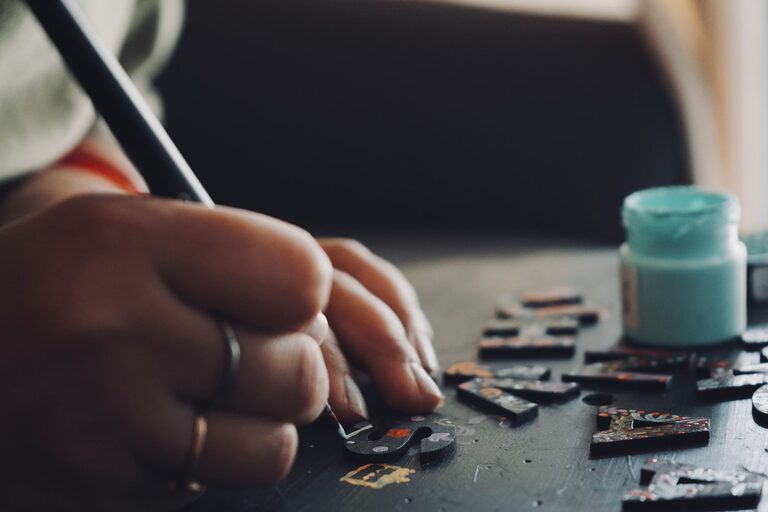
Finding an enjoyable indoor hobby can add energy and variety to your daily routine. The right activity gives your mind something interesting to focus on while keeping your hands busy. It can also help you learn new skills, express creativity, or simply take a refreshing break from screens.
Whether you have a few minutes or an entire afternoon, there are many hobbies to explore at home. Here are several fun options that support focus, patience, and imagination.
Why Choose an Indoor Hobby?
Indoor hobbies are convenient because they can fit into almost any schedule. You do not need to travel, wait for good weather, or spend a large amount of money to get started. Many hobbies use simple supplies you may already have at home.
These activities can also offer several everyday benefits:
– They encourage concentration and careful observation.
– They provide a relaxing alternative to passive screen time.
– They help develop practical and creative skills.
– They create opportunities to finish small, satisfying projects.
– They can be enjoyed alone or shared with friends and family.
The best hobby is one that matches your interests and feels enjoyable rather than like another task on your to-do list.
1. Puzzles and Brain Teasers
Puzzles are a classic way to keep your mind active. Jigsaw puzzles encourage visual thinking as you compare colors, shapes, and patterns. Crossword puzzles, word searches, and number games challenge memory, vocabulary, and problem-solving skills.
Try choosing puzzles at different difficulty levels. A simple puzzle can be ideal for a short break, while a more challenging one can provide a longer project. You can also create a small puzzle area on a table or desk so your work stays organized between sessions.
For a social activity, invite someone to work on a puzzle with you. Sharing ideas and searching for pieces can turn a quiet hobby into a pleasant conversation.
2. Drawing and Sketching
Drawing is a flexible hobby that requires very little equipment. A pencil and notebook are enough to begin. You can sketch household objects, plants, pets, landscapes, or imaginary characters.
If you are not sure what to draw, try these simple exercises:
– Sketch one object from several different angles.
– Draw for five minutes without erasing.
– Copy basic shapes and combine them into pictures.
– Practice light and dark shading.
– Keep a daily sketch journal.
Drawing is not about creating a perfect picture. It is a way to observe details and make ideas visible. Over time, regular practice can help you become more comfortable with lines, shapes, and proportions.
3. Painting and Coloring
Painting allows you to experiment with color and texture. Watercolors, acrylics, and gouache each create a different look, but you do not need to try everything at once. Start with a small set of paints and a few sheets of suitable paper.
Adult coloring books are another approachable option. They offer detailed designs without requiring you to plan an entire image. Coloring can be especially enjoyable when you want a creative activity with clear boundaries.
To make painting or coloring more inviting, keep your supplies together in a container. Place a protective covering on your work surface, and clean brushes soon after use.
4. Knitting, Crochet, and Embroidery
Fiber crafts keep both hands active while encouraging steady concentration. Knitting and crochet can be used to make scarves, small decorations, blankets, and gifts. Embroidery adds colorful designs to fabric using simple stitches.
Beginners should start with a small project, such as a coaster, bookmark, or simple dishcloth. Large projects may feel overwhelming if you are still learning how to hold the tools or follow a pattern.
Online tutorials and beginner guides can introduce basic techniques. Once you learn a few stitches, you can combine colors and patterns to create something personal and useful.
5. Model Building and Miniature Projects
Model building is a rewarding hobby for people who enjoy detail and hands-on work. You might assemble a model vehicle, create a miniature room, build with construction blocks, or design a small scene from recycled materials.
These projects can improve patience and planning because they are often completed in stages. Before beginning, read the instructions and organize the pieces. A shallow tray can help prevent small parts from rolling away.
You can also make miniature projects from everyday items, such as cardboard, paper, craft sticks, and fabric scraps. This makes the hobby affordable and encourages creative problem-solving.
6. Cooking and Baking
Cooking and baking combine practical skills with creativity. Following a recipe requires attention to measurements and timing, while decorating or adapting a dish allows room for personal choices.
Start with recipes that have a manageable number of steps. Homemade bread, simple cookies, soup, pasta, or a colorful salad can all provide a satisfying project. Keep notes about what you liked so you can adjust the recipe next time.
Cooking can also become a shared indoor hobby. Prepare a meal with a family member or host a small recipe exchange with friends. Trying dishes from different regions can add variety to your kitchen routine.
7. Writing and Journaling
Writing keeps your mind active while giving you a place to organize thoughts and ideas. You can write short stories, personal reflections, poems, reviews, or descriptions of everyday experiences.
If a blank page feels intimidating, use a prompt:
– Describe a memorable place using all five senses.
– Write about an object that has special meaning.
– Create a character who discovers a hidden room.
– List ten small things that made you smile this week.
– Explain how to complete a familiar task.
A journal does not need to follow a strict format. Some days you may write several pages, while on other days a short list is enough.
8. Learning a Musical Instrument
Learning an instrument engages listening, coordination, and memory. Beginner-friendly choices may include keyboard, ukulele, recorder, or hand percussion. Digital lessons and practice apps can help you learn basic notes and rhythms at your own pace.
Keep practice sessions short and regular. Ten or fifteen focused minutes can be more useful than an occasional long session. Begin with simple exercises, then work toward a song you enjoy.
Progress may feel gradual, but small improvements add up. Celebrate learning a new chord, rhythm, or melody rather than expecting perfection immediately.
How to Choose the Right Hobby
With so many options, it helps to consider what kind of experience you want. Ask yourself:
– Do I want to make something useful or decorative?
– Would I prefer a quiet activity or one with music and movement?
– Do I enjoy following instructions or creating my own designs?
– How much space and time do I have?
– Can I start with supplies I already own?
You can also try a hobby for one week before deciding whether it suits you. The goal is to find an activity that feels rewarding and easy to return to.
Make Time for Creative Play
Indoor hobbies do not have to be complicated. A few minutes of sketching, a page of journaling, or a small puzzle can make your day feel more balanced. Set aside a regular time, keep your supplies accessible, and focus on enjoying the process.
The most valuable hobby is not necessarily the one that produces the most impressive result. It is the one that helps you stay curious, use your hands, and give your full attention to something you enjoy.